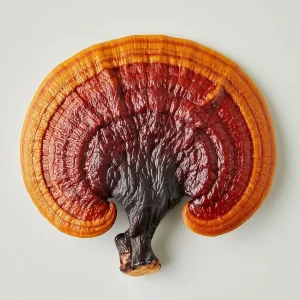
Most people start mushroom growing with oysters or lion’s mane. They grow fast, they’re forgiving, and you can get a harvest pretty quickly. But if you talk to growers who’ve been doing this for a while, a lot of them will tell you the same thing: the first time you successfully grow Hen of the Woods (Maitake), it feels like a real achievement.
And honestly, I completely agree with that.
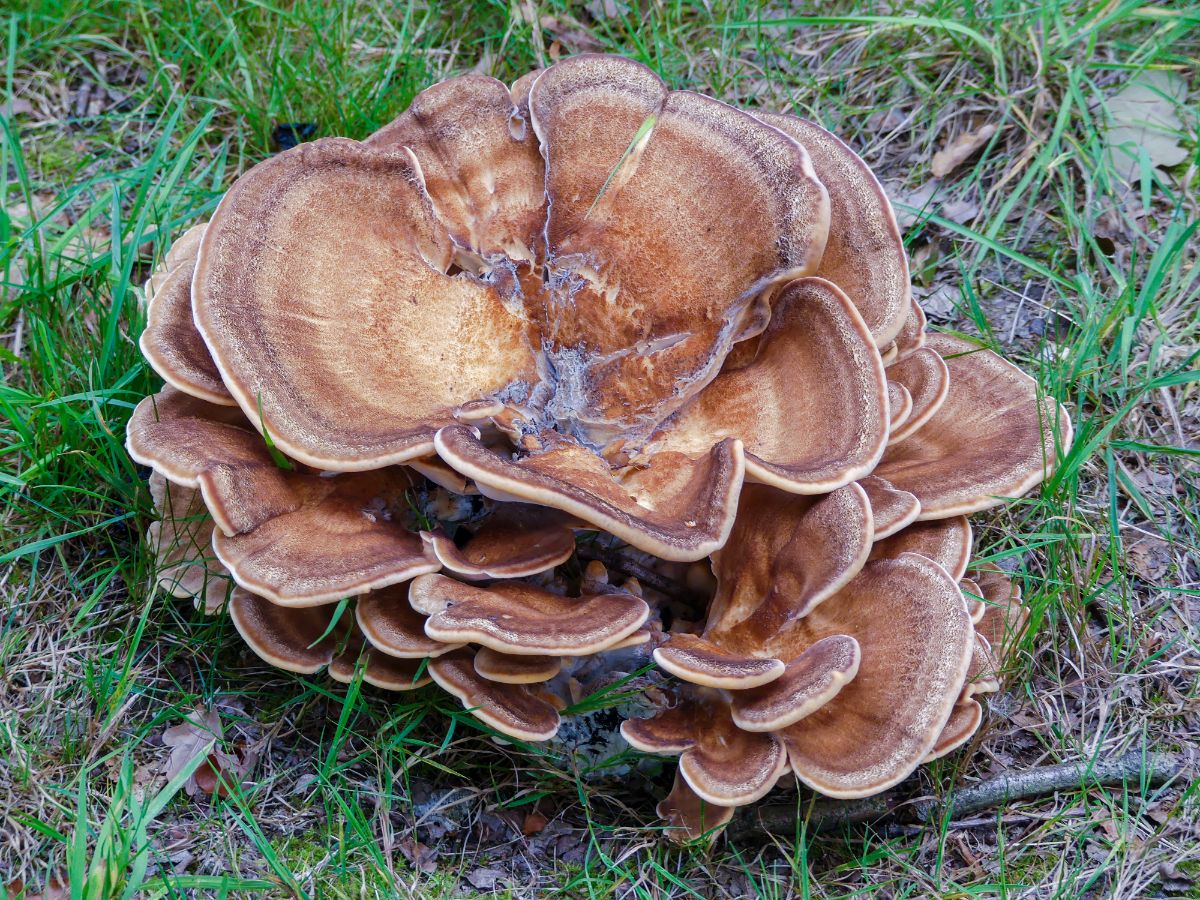
When maitake starts forming, it doesn’t even look like a typical mushroom. Instead of a single cap, you get these layered clusters that almost look like feathers or coral growing out of the substrate. It’s one of those mushrooms that makes you stop and stare for a second.
Then you cook it… and that’s when things get really interesting.
The flavor is deep, earthy, and packed with umami. In my opinion, maitake cooked in butter beats most mushrooms you’ll find in a restaurant. It’s that good.
At MushroomGroov, we’ve worked with a lot of mushroom species. Maitake is one that growers keep coming back to. It takes a little patience, but once you grow it successfully, you’ll probably want to do it again.
So let’s walk through how to grow Hen of the Woods mushrooms at home.
Why Hen of the Woods Is Such a Popular Mushroom
Hen of the Woods—scientifically known as Grifola frondosa—naturally grows at the base of hardwood trees like oak and maple. In the wild, it usually appears in late summer or early fall and can grow into huge clusters weighing several pounds.
But appearance isn’t the only reason people love this mushroom.
First, there’s the flavor. Maitake has a rich, savory taste that works in everything from stir-fries to pasta. Chefs love it because it keeps its texture when cooked.
There’s also the nutrition factor. Maitake contains compounds called beta-glucans, which researchers have studied for their potential immune-supporting properties.
And from a grower’s perspective, there’s another reason: value.
Hen of the Woods mushrooms often sell for higher prices than common varieties because they’re harder to cultivate. Restaurants and specialty markets are always interested in high-quality maitake.
That means growing them isn’t just fun—it can actually be profitable if you get good at it.
Understanding the Environment Maitake Needs
Before you start growing maitake, it helps to think about where it grows naturally.
These mushrooms evolved in forests. They grow on hardwood and prefer cooler temperatures.
That tells us a lot about how to grow them indoors.
Here are the basic conditions that work best:
- Temperature: 55–70°F
- Humidity: 85–95% during fruiting
- Substrate: Hardwood sawdust or hardwood logs
One mistake beginners often make is underestimating humidity. Maitake needs a moist environment to develop properly. If the air is too dry, the mushroom might start forming but never fully develop.
Step-by-Step: Growing Hen of the Woods Mushrooms
Maitake takes longer than beginner mushrooms, but the process itself is pretty straightforward.
1. Prepare the Substrate
Start with a hardwood-based substrate. Many indoor growers use sterilized hardwood sawdust blocks, often mixed with bran for extra nutrients.
If you want to grow outdoors, oak logs also work well.
The substrate is basically food for the mushroom mycelium, so using hardwood makes a big difference.
2. Inoculate the Substrate
Next, introduce the mushroom culture.
This can be done using liquid culture or grain spawn. Liquid culture is popular because it spreads quickly and helps colonization move faster.
At MushroomGroov, we’ve seen growers cut weeks off the colonization time just by starting with a strong liquid culture instead of spores.
3. Let the Mycelium Grow
After inoculation, the mycelium needs time to spread through the substrate.
This stage happens in a warm, dark environment. The mycelium slowly consumes nutrients and builds the network it needs to produce mushrooms.
Depending on conditions, this stage can take several weeks or even a few months.
And here’s the truth: patience is everything. If you rush this stage, the final harvest usually suffers.
4. Trigger the Fruiting Stage
Once the substrate is fully colonized, you’ll need to change the environment slightly to encourage fruiting.
Usually that means:
- lowering the temperature a little
- increasing humidity
- adding indirect light
These signals tell the mycelium that it’s time to produce mushrooms.
Soon you’ll start seeing small formations appear. These eventually grow into the layered clusters that Hen of the Woods mushrooms are known for.
5. Harvest the Mushrooms
Maitake grows in beautiful fan-shaped clusters.
Harvest them when the fronds are fully formed but still firm. If you wait too long, the texture can become tough.
Use a sharp knife to cut the cluster near the base and handle it gently.
A Lesson One Grower Learned the Hard Way
One grower we worked with at MushroomGroov decided to try maitake after mastering oyster mushrooms.
His first attempt didn’t go well. The mycelium colonized slowly, and the mushrooms barely formed.
After checking his setup, we found the issue quickly: humidity.
His grow room was sitting around 70%, which works fine for oysters. But maitake needs more moisture.
Once he increased humidity to around 90%, the next batch produced large clusters that looked just like wild Hen of the Woods.
That experience taught him something important: small environmental details make a big difference.
Cooking Maitake Mushrooms
Growing maitake is satisfying, but cooking it might be even better.
The mushroom has a meaty texture and deep flavor, which is why chefs often treat it almost like a plant-based steak.
Some great ways to cook it include:
- roasting it with olive oil and salt
- pan-frying it with butter and garlic
- adding it to ramen or soups
- tossing it into pasta
And here’s another hot take: crispy maitake cooked in a hot pan might be the most underrated mushroom dish out there.
Why More Growers Are Trying Maitake
The mushroom cultivation industry has grown rapidly in recent years. As more people look for protein-rich, plant-based foods, gourmet mushrooms are becoming incredibly popular.
Hen of the Woods stands out for a few reasons:
- strong culinary demand
- unique appearance
- potential health benefits
- high market value
For growers who want something more exciting than beginner species, maitake is a great next step.
What You Should Do Next
If you want to try growing Hen of the Woods mushrooms, start small.
Use a hardwood substrate, get a strong maitake culture, and make sure your humidity stays high during the fruiting stage.
Those two factors alone solve most beginner problems.
Once you harvest your first cluster, you’ll understand why growers get so excited about this mushroom. It’s beautiful, delicious, and honestly one of the most satisfying species you can grow.
And like every experienced mushroom grower knows, the best way to learn is simple:
start a small batch and see what happens. 🍄