Ask any experienced mushroom grower what matters most in a successful crop, and you’ll probably hear the same answer: spawn quality.
Yet, it’s surprising how often growers overlook it.
I’ve met growers who spent weeks adjusting humidity levels, buying new equipment, or experimenting with different substrates, only to discover that the real problem was poor-quality spawn. The truth is, even the best growing conditions can’t fully compensate for weak or contaminated spawn.
At MushroomGroov, we’ve seen this happen more times than we’d like. That’s why learning how to identify healthy mushroom spawn is one of the most valuable skills a grower can develop.
The good news? You don’t need years of experience to spot quality spawn. A few simple checks can tell you a lot before you ever inoculate a substrate bag.
What Is Mushroom Spawn?
For anyone new to mushroom cultivation, spawn is the material used to transfer mushroom mycelium into a growing substrate.
Many people compare spawn to seeds, although the comparison isn’t technically accurate. A better way to think about it is as the “starter culture” that allows mushrooms to colonize and grow.
Common Types of Mushroom Spawn
There are several types of spawn available:
- Grain Spawn
- Sawdust Spawn
- Plug Spawn
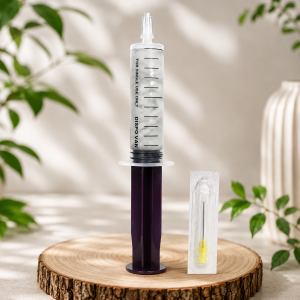
- Liquid Culture
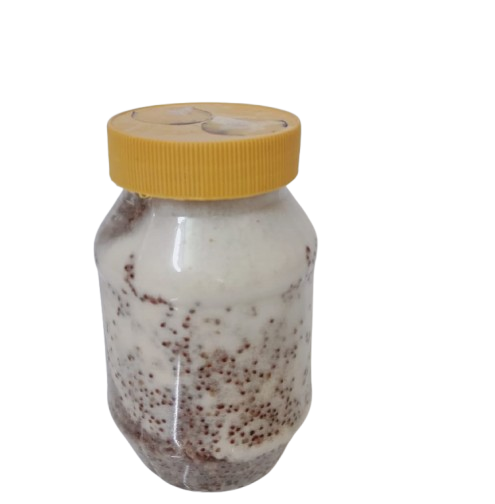
Among these, grain spawn remains the most popular choice for both hobby and commercial growers. It colonizes quickly and works well with a wide range of mushroom species.
Personally, grain spawn is my first choice for most cultivation projects. It’s reliable, easy to work with, and usually gives excellent colonization rates when sourced from a reputable supplier.
Why Healthy Spawn Makes Such a Difference
Many growers focus heavily on temperature, humidity, and ventilation.
Those factors are important, but they come after spawn quality.
Think of it this way: if you start with weak spawn, you’re already putting your crop at a disadvantage before the growing process even begins.
Healthy mushroom spawn typically offers:
- Faster colonization
- Stronger mycelial growth
- Better contamination resistance
- More consistent yields
- Higher overall productivity
One opinion I’ve developed over the years is that growers often underestimate how much money poor spawn can cost them. Saving a few rupees on cheap spawn may seem like a good deal at first, but losing an entire crop is far more expensive.
Check the Color First
Whenever I receive a fresh batch of spawn, the first thing I examine is the color.
Healthy Spawn Should Be Bright White
Strong, healthy mushroom spawn usually displays bright white mycelium covering the grains.
Depending on the species, the growth may look:
- Cottony
- Dense and fluffy
- Thick and aggressive
- Rope-like and organized
White is exactly what you want to see.
If large sections of grain remain uncovered or colonization appears weak, the spawn may not be performing properly.
One mistake beginners often make is assuming that “some white growth” automatically means the spawn is healthy. In reality, healthy spawn should look vigorous and energetic, not sparse or patchy.
Look for Even Colonization
Healthy mycelium spreads consistently.
When you inspect a spawn bag, the grains should be colonized evenly throughout the container.
Why Uneven Growth Can Be a Problem
Patchy colonization can indicate several issues:
- Aging spawn
- Poor storage conditions
- Weak genetics
- Early contamination
I’ve learned not to ignore uneven growth. Even when contamination isn’t visible yet, inconsistent colonization often signals that something isn’t quite right.
A healthy bag should look like one connected network rather than a collection of isolated white patches.
Pay Attention to Mycelial Strength
Experienced growers often evaluate the structure of the mycelium itself.
What Is Rhizomorphic Growth?
Rhizomorphic growth appears as thick, rope-like strands running through the spawn.
Not every mushroom species develops highly visible rhizomorphic growth, but when it appears, it’s usually a positive sign.
Strong rhizomorphic growth often suggests:
- Aggressive colonization
- Healthy genetics
- Active mycelial expansion
Over the years, I’ve noticed that vigorous mycelium almost always produces better results later in the cultivation cycle.
Don’t Ignore the Smell Test
This may be the simplest quality test available.
Unfortunately, many growers skip it.
What Healthy Mushroom Spawn Should Smell Like
Healthy mushroom spawn should have a pleasant earthy aroma.
Many growers compare it to:
- Fresh mushrooms
- Forest soil
- Damp earth after rain
The smell should be clean and natural.
Smells That Should Raise Concern
If the spawn smells:
- Sour
- Sweet and fermented
- Rotten
- Sharp or unpleasant
there may be contamination present.
In my experience, your nose can sometimes detect problems before your eyes do. I’ve opened bags that looked perfectly normal on the outside, only to discover contamination because of an unusual smell.
That’s why I never skip this step.
Common Warning Signs of Unhealthy Spawn
Knowing what healthy spawn looks like is important.
Knowing what unhealthy spawn looks like can save an entire harvest.
Green Growth
Green mold is one of the most common contaminants in mushroom cultivation.
If you notice green patches developing in a spawn bag, don’t try to save it.
Discard it immediately.
Many growers attempt to remove contaminated portions and continue using the spawn. In most cases, the contamination has already spread further than what’s visible.
Black Spots
Black growth is another major warning sign.
Healthy mushroom mycelium should not produce black discoloration.
Any black patches should be treated as contamination until proven otherwise.
Pink, Orange, or Red Growth
Healthy spawn should generally remain white.
Pink, orange, or red colors often indicate bacterial or fungal contamination.
Whenever I see unusual colors, I don’t take chances.
Excess Moisture
Some condensation inside a spawn bag is perfectly normal.
Standing water is not.
Excess moisture can:
- Encourage bacterial growth
- Reduce oxygen availability
- Slow colonization
Healthy spawn should be moist but never waterlogged.
A Real-World Lesson About Cheap Spawn
A few years ago, a grower contacted us after repeatedly losing oyster mushroom crops.
The issue wasn’t temperature.
It wasn’t humidity.
It wasn’t the substrate.
The problem was the spawn.
He had purchased grain spawn from an unfamiliar supplier simply because it was cheaper.
When we inspected the bags, we noticed uneven colonization and a slight sour odor. Both were warning signs.
Unfortunately, the spawn was used anyway.
Within a couple of weeks, contamination spread through several substrate bags, resulting in significant crop losses.
Later, the grower switched to high-quality spawn from a trusted supplier.
The improvement was immediate.
Colonization became faster, contamination rates dropped dramatically, and yields improved.
That experience reinforced something I’ve believed for years: cheap spawn often becomes expensive spawn.
How to Choose Quality Spawn from a Supplier
Finding a reliable supplier is just as important as understanding spawn quality.
Check Their Reputation
Look for growers who have purchased from them before.
Reviews, recommendations, and long-term customer feedback can tell you a lot.
Ask About Production Dates
Fresh spawn generally performs better than old stock.
Always ask when the spawn was produced.
Examine the Packaging
The packaging should be:
- Properly sealed
- Clean
- Undamaged
Damaged packaging increases the risk of contamination.
Inspect the Spawn Carefully
Before purchasing or using spawn, check for:
- Bright white mycelium
- Even colonization
- Fresh earthy smell
- No unusual colors
- No excessive moisture
Never be afraid to ask questions before buying.
Proper Storage Matters More Than You Think
Even excellent spawn can decline if stored improperly.
To maintain quality:
- Store at recommended temperatures.
- Keep away from direct sunlight.
- Use it as soon as possible.
- Follow the supplier’s storage guidelines.
I’ve seen growers purchase excellent spawn and then leave it sitting for weeks in unsuitable conditions. By the time they finally used it, performance had already dropped significantly.
One Last Tip Before You Start Growing
If you want better mushroom harvests, start by paying closer attention to your spawn.
Look for bright white mycelium, strong growth, even colonization, and a fresh earthy smell. Stay away from spawn showing unusual colors, foul odors, or excessive moisture.
Those few minutes of inspection can save weeks of frustration later.
Every successful mushroom crop begins long before the first mushroom appears.
It begins with healthy spawn.